Thinking About CBD for Your Pet? Ask These Questions First
Pet owners often ask whether CBD might be appropriate for an aging dog, a nervous traveler or an animal experiencing changes in comfort or activity. Before purchasing a hemp product for your pet, work through these seven questions.
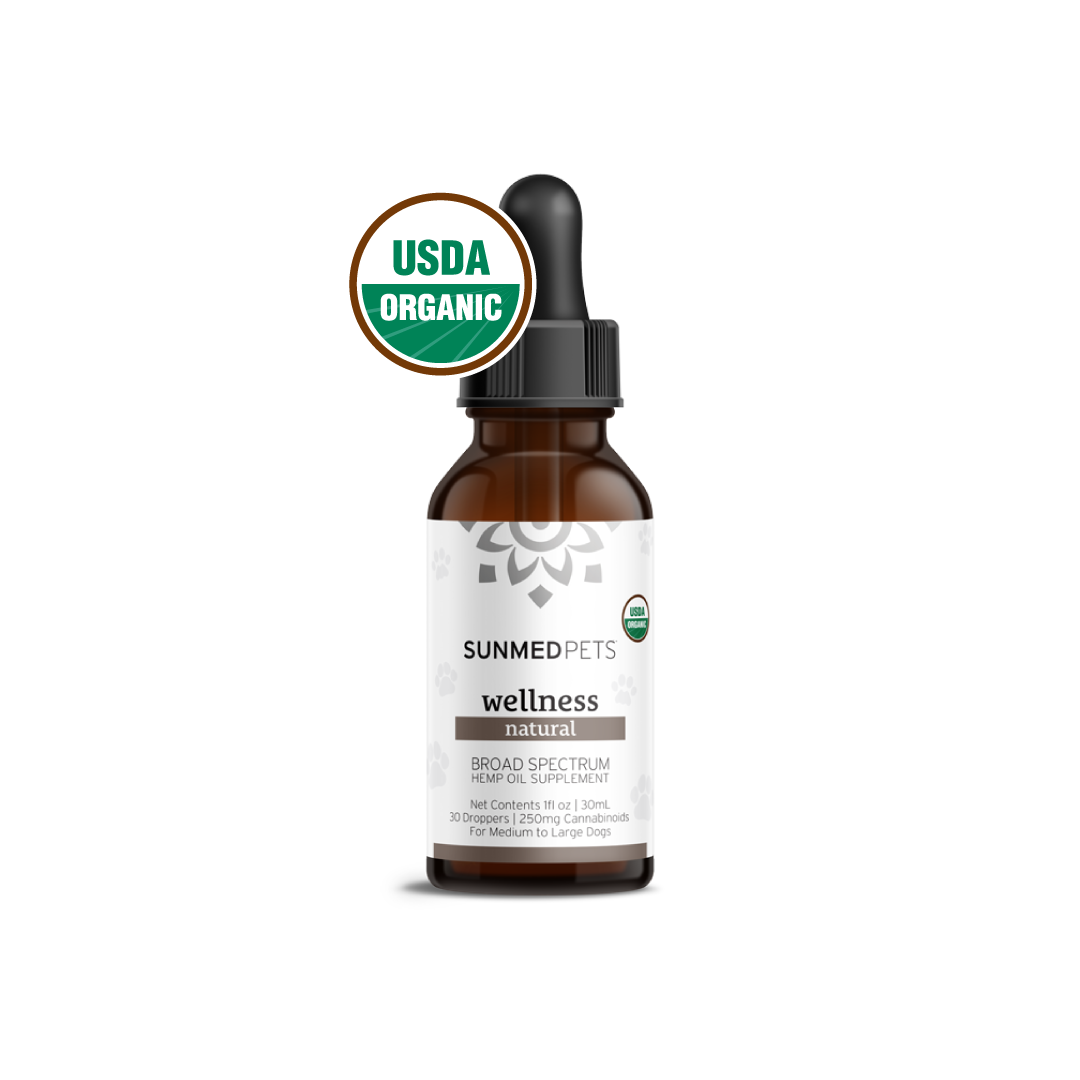
Pet owners often ask whether CBD might be appropriate for an aging dog, a nervous traveler or an animal experiencing changes in comfort or activity.
The honest answer is not as simple as choosing a popular treat or calculating a smaller version of a human serving. Dogs and cats process substances differently from people, products vary considerably, and an animal's medications and health conditions matter.
Before purchasing a hemp product for your pet, work through these seven questions.
1. Have You Spoken With Your Veterinarian?
Begin with the professional who knows your pet's health history.
The FDA states that it has not approved cannabis—including CBD—for any use in animals and cannot ensure the safety or effectiveness of products currently marketed for pets. It recommends discussing appropriate options with a veterinarian.
That conversation is particularly important when your pet:
- Takes prescription medication
- Has liver, kidney or neurological concerns
- Is preparing for surgery
- Is pregnant or nursing
- Is very young, elderly or medically fragile
- Has new or worsening symptoms
CBD should not delay an examination of limping, appetite changes, unusual behavior, seizures, breathing difficulty or persistent discomfort.
2. Was the Product Formulated Specifically for Animals?
Do not assume that a product intended for people is suitable for a dog or cat.
Human gummies, tinctures and flavored products may contain sweeteners or other ingredients that are inappropriate for animals. Xylitol—also called birch sugar, wood sugar or birch bark extract—is especially dangerous to dogs and may appear in supplements, candies and other sugar-free products.
Pet products should have a complete ingredient list, clear directions and serving information appropriate for the intended animal. Avoid improvising with a human edible simply because the front label prominently displays CBD.
3. Does It Contain THC?
CBD and THC are different cannabinoids. THC is responsible for marijuana's intoxicating effects and can be toxic to dogs, cats and horses.
The ASPCA lists possible signs of marijuana exposure including sleepiness or excitation, vomiting, loss of coordination, excessive drooling, low body temperature, seizures and—rarely—coma or death.
Review the laboratory report rather than relying only on phrases such as "hemp-derived" or "non-intoxicating." If avoiding THC is important, ask what "THC-free" means for that specific product and whether the laboratory result says not detected.
No hemp product should be expected to guarantee a completely risk-free exposure.
4. Can You Match the Product to Its Lab Report?
Look for a certificate of analysis, or COA, from an identifiable laboratory. The batch or lot number on the report should match the package.
A useful report may show:
- Measured CBD and other cannabinoids
- Delta-9 THC and related cannabinoid results
- Batch or lot number
- Date of analysis
- Heavy-metal screening
- Pesticide screening
- Microbial testing
- Residual-solvent testing when relevant
A cannabinoid-only report does not prove that contaminant testing was completed. Likewise, laboratory testing can help confirm composition, but it cannot prove that a product will produce a particular result for your pet.
The FDA has expressed concerns about CBD-product quality, including inaccurate cannabinoid amounts and potential contaminants such as THC, pesticides and heavy metals.
5. Are the Directions Clear?
Avoid products that make you guess about the amount per treat, dropper or milliliter.
The label should clearly identify:
- CBD amount per serving
- Total CBD in the package
- Intended animal species
- Serving directions
- Ingredient list
- Storage instructions
- Manufacturer contact information
"500 mg" printed on the front may refer to the entire container—not each serving.
Do not increase the amount simply because an immediate change is not noticeable. If your veterinarian agrees that a product can be considered, follow the professional guidance and product directions provided.
6. What Claims Is the Company Making?
Be cautious when a company promises that its pet product will treat arthritis, stop seizures, cure anxiety, eliminate pain or replace veterinary medication.
The FDA has not approved CBD for animal use, and important questions remain about product quality, interactions, adverse effects and long-term exposure. In January 2025, the FDA's Center for Veterinary Medicine requested additional information from veterinarians and the public specifically because it continues to evaluate these issues.
Responsible product education should explain ingredients and testing without guaranteeing medical outcomes.
7. Can You Store It Safely?
A flavored pet treat may smell like food to an animal. Store the entire package out of reach, preferably inside a closed cabinet.
Do the same with human gummies, cannabis products, medications and supplements. Never leave them in a purse, gym bag or bedside container that a curious dog can reach.
If your pet accidentally consumes cannabis or shows lethargy, heavy drooling, vomiting, agitation, tremors, loss of coordination or convulsions, contact your veterinarian, an emergency animal hospital or animal poison-control service immediately. The ASPCA Animal Poison Control Center can be reached at 888-426-4435; a consultation fee may apply.
Thoughtful Guidance for Aiken Pet Owners
At Aiken Modern Wellness and Your CBD Store Aiken, we can help customers read pet-product labels and locate available batch testing. Product selection should still be discussed with your veterinarian, especially when your dog or cat takes medication or has an existing condition.
Visit us locally at 152 South Aiken Lane, Aiken, SC 29803, or explore our pet collection below for straightforward wellness-product education.
Shop Pet CBD productsThis article is educational and is not veterinary advice. Products discussed are not intended to diagnose, treat, cure or prevent disease.